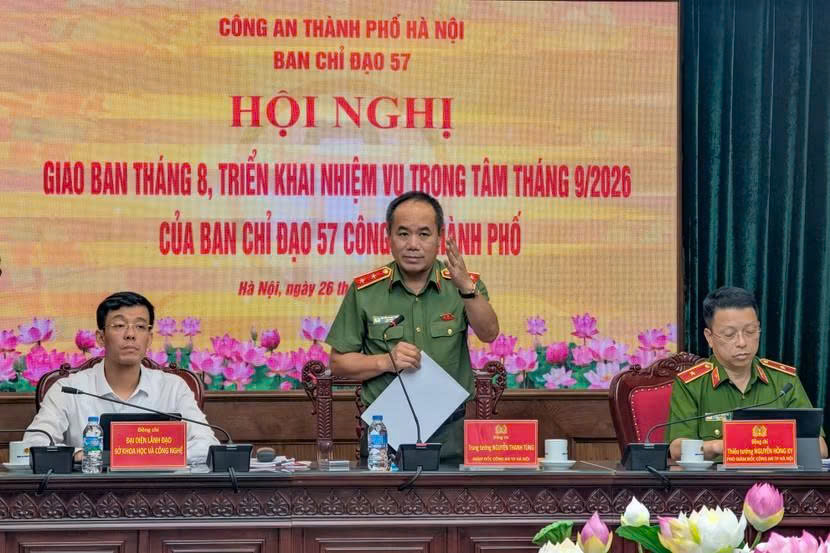
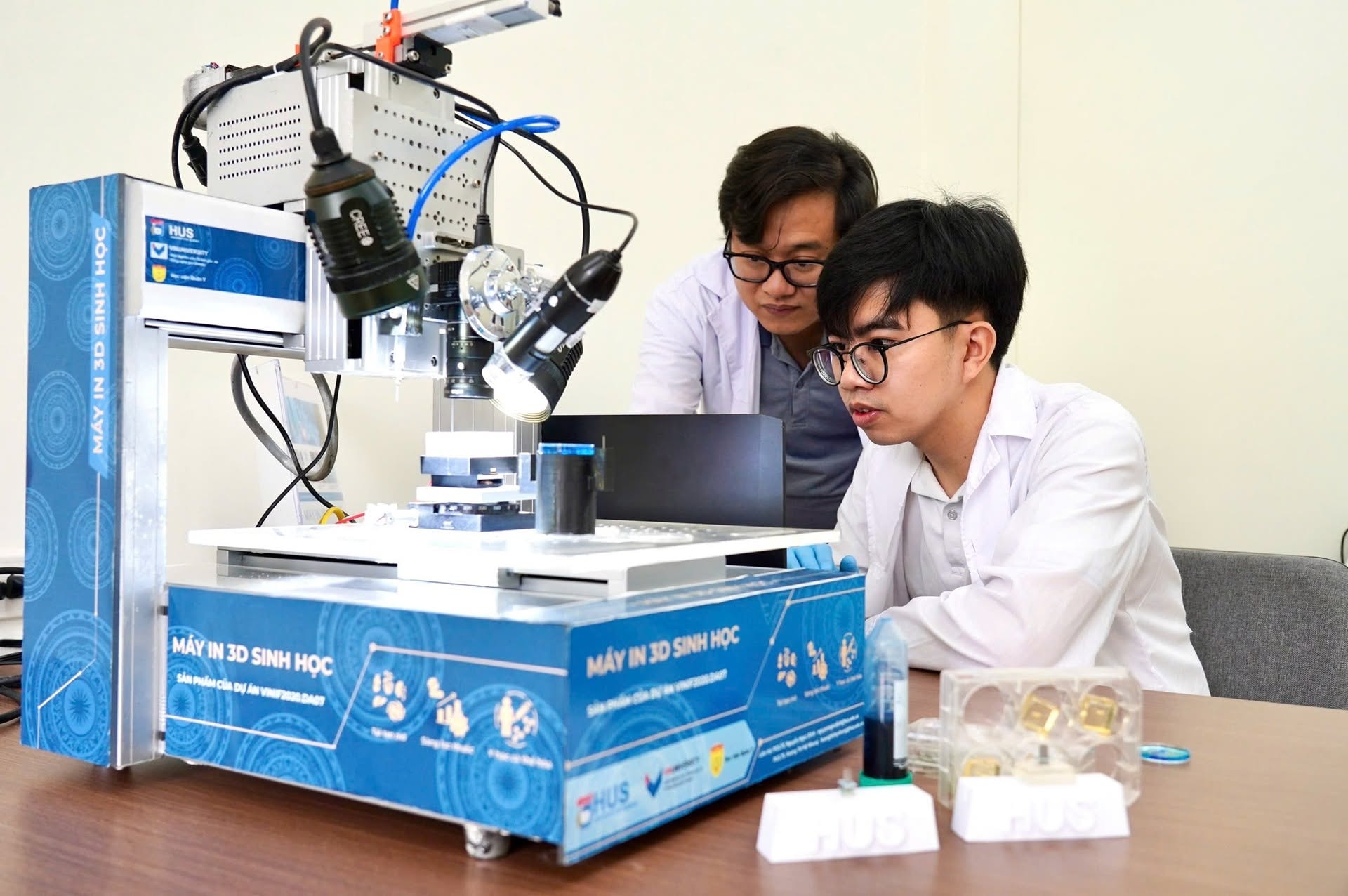
 Training high-quality human resources to stay ahead in the development of science and technology. (Photo: PV)
Proactive policies to attract talent.
In the race to develop strategic technology sectors such as artificial intelligence, semiconductors, big data, and biotechnology, Hanoi has identified high-quality human resources as a decisive factor. Therefore, along with investing in infrastructure and technology, the city is focusing on perfecting mechanisms to attract experts, scientists, and highly skilled personnel to participate in the development of the capital.
Notably, the City People’s Council issued Resolution No. 92/2026/NQ-HĐND dated January 27, 2026, on mechanisms and policies to attract and utilize talented individuals. In addition, Resolution No. 07/2026/NQ-HĐND dated May 11, 2026, effective from July 1, 2026, established new support and reward frameworks for individuals performing tasks in science, technology, innovation, and digital transformation.
Simultaneously, Hanoi is developing policies to support postgraduate training linked to the city’s major challenges, aiming to create a highly qualified research workforce to serve cutting-edge technology sectors.
In addition to focusing on the existing workforce, the city also aims to identify and nurture talent from an early age. The “Next 1,000” program is being implemented to identify and cultivate scientific and technological talents among students at all levels, linking it with STEM, STEAM, data science, and artificial intelligence education tailored to each age group.
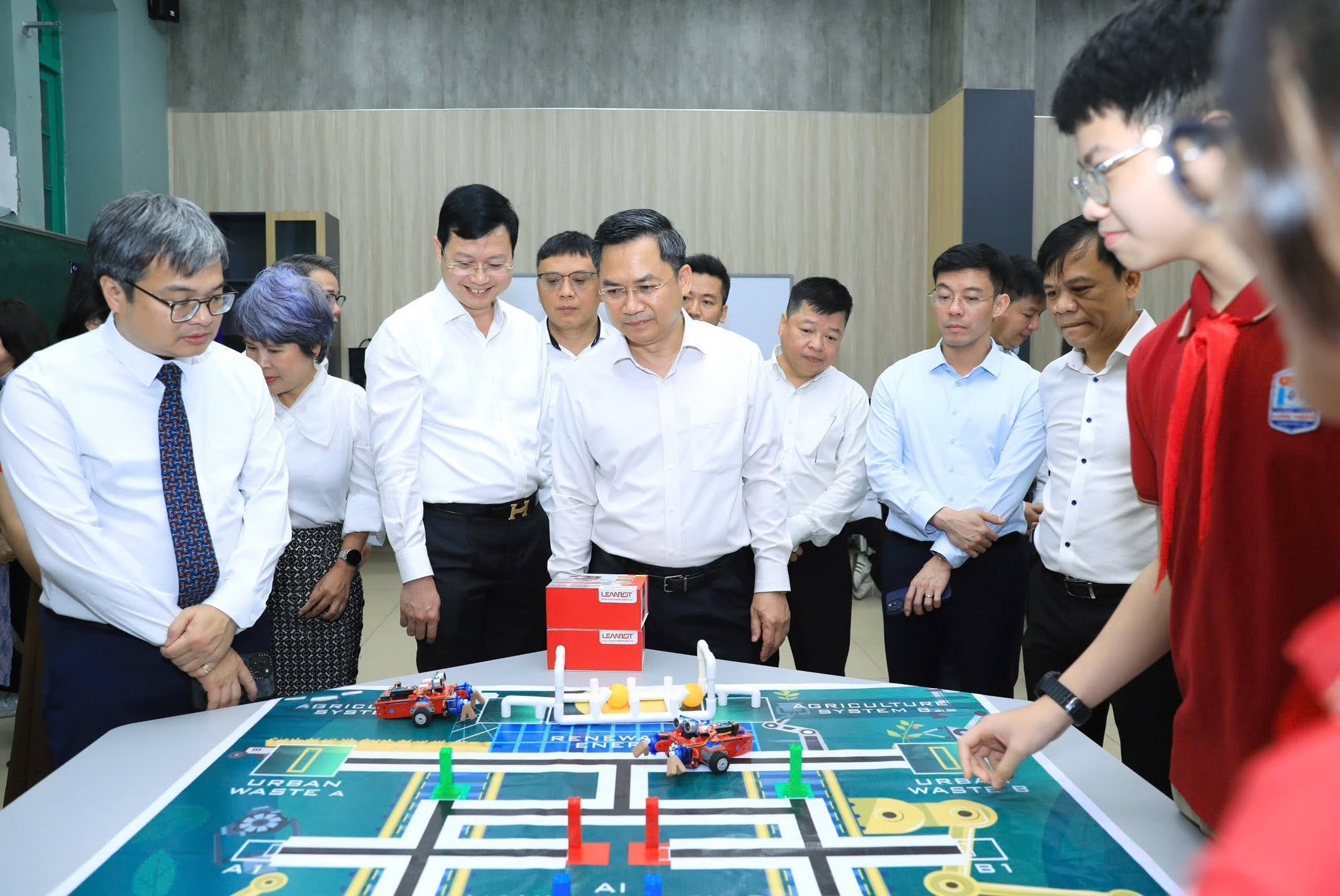 Hanoi applies AI in teaching. (Photo: PV)
In addition, there is a plan to strengthen training linkages between Hanoi’s key higher education institutions and prestigious international universities, connecting training with the actual workforce needs and the city’s incentive policies.
From a governance perspective, Hanoi is gradually shifting from process-based management to results-based management through piloting a work management system linked to OKR/KPI in a number of agencies and units, while also developing a set of KPI indicators to monitor the implementation of Resolution No. 57-NQ/TW.
One issue of particular concern to Hanoi is the shortage of information technology personnel at the grassroots level. Following the implementation of the two-tiered local government model, the demand for IT personnel in communes and wards has increased rapidly, while the number of specialized personnel remains limited. To address this problem, the city is researching a model for outsourcing IT support services to 126 communes and wards. This model involves mobilizing technology companies to provide support based on geographical clusters and operational groups, ensuring the efficient operation of digital systems and online public services without increasing staffing levels.
You may also like
Expanding international cooperation to develop high-tech human resources.
While human resources are considered an internal foundation, Hanoi identifies international cooperation as a crucial channel for accessing knowledge, technology, markets, and advanced management models from around the world.
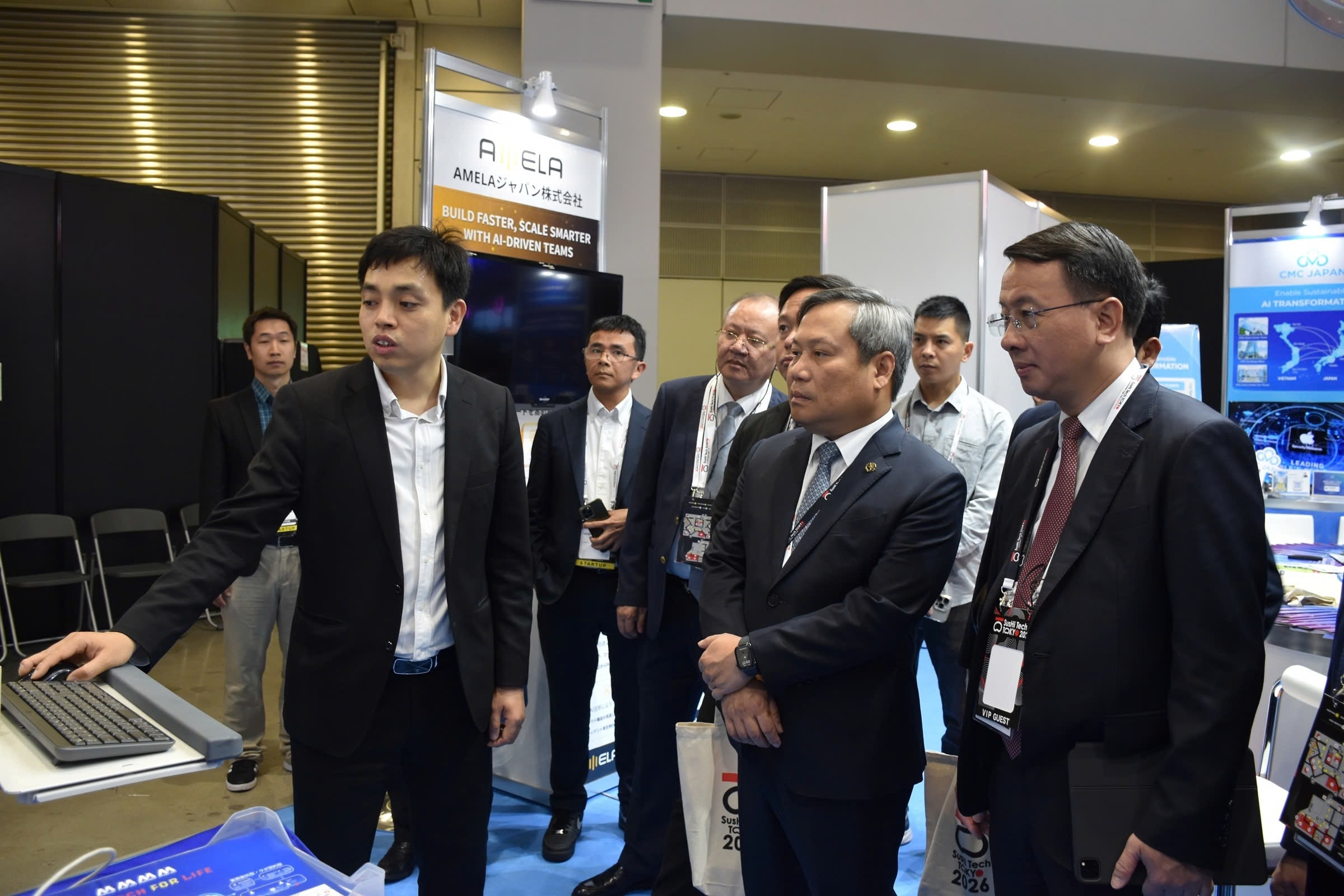 Chairman of the Hanoi People’s Committee Vu Dai Thang attends the SusHi Tech Tokyo 2026 high-tech exhibition . Photo: Nguyen Tuyen – Vietnam News Agency correspondent in Japan.
The results achieved from the working trip to the United States and Singapore in March 2026 have opened up many new avenues of cooperation for the Capital in the fields of science, technology, innovation, and digital transformation.
In the field of semiconductor and high-tech human resource training, Hanoi has signed a cooperation agreement with Arizona State University (ASU) to implement the International University of Technology project in Hoa Lac, based on the “powered by ASU” model. The project focuses on training in emerging technologies such as microelectronics, semiconductors, artificial intelligence, and aerospace.
The two sides simultaneously implemented a program to accelerate semiconductor workforce training from the secondary school level to the engineering level; and collaborated on transforming key laboratories into industrial-scale shared infrastructure models, enabling startups to access internationally standardized production lines.
In the field of core technologies and artificial intelligence, Hanoi is collaborating with AMD to build a high-performance computing center and AI clusters in Hoa Lac to serve big data analysis, digital mirroring, and urban forecasting tasks. The city is also establishing a connection channel with AGI House to access foundational AI and AI generation technologies.
In the field of innovation, Hanoi continues to expand cooperation with many international organizations. Quest Ventures has agreed to consider contributing 10% of the capital to startup investment deals led by Hanoi from Q3 2026. Enterprise Singapore has committed to co-organizing the Innovation Day in Vietnam in June 2026.
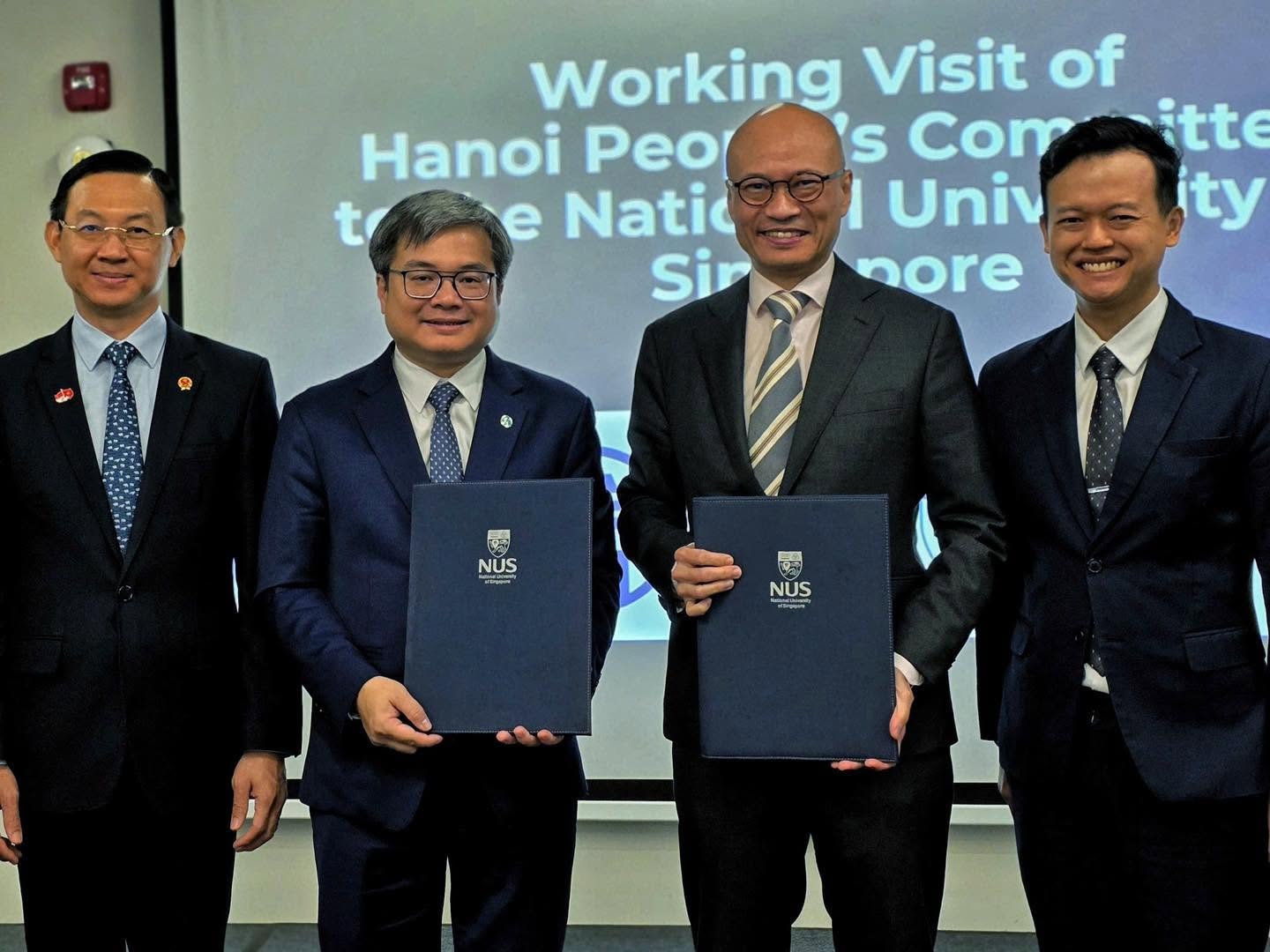 Hanoi City People’s Committee Vice Chairman Truong Viet Dung and Senior Vice President of the National University of Singapore (NUS), Dr. Tan Sian Wee, signed a Cooperation Declaration on developing the innovation ecosystem, supporting startups, and promoting talent exchange, March 2026. (Photo: PV)
Meanwhile, collaboration with the National University of Singapore opens up opportunities to adopt the BLOCK71 innovation model, receive technology valuation advice, and connect Hanoi’s startups with a global network.
In the field of digital government and smart cities, the city is studying Singapore’s model of a specialized technology unit; at the same time, it aims to receive and evaluate 40 open-source products and build an open data platform to serve urban management. Several areas are also being piloted with the AGIL Smart City OS to address traffic issues based on real-time data.
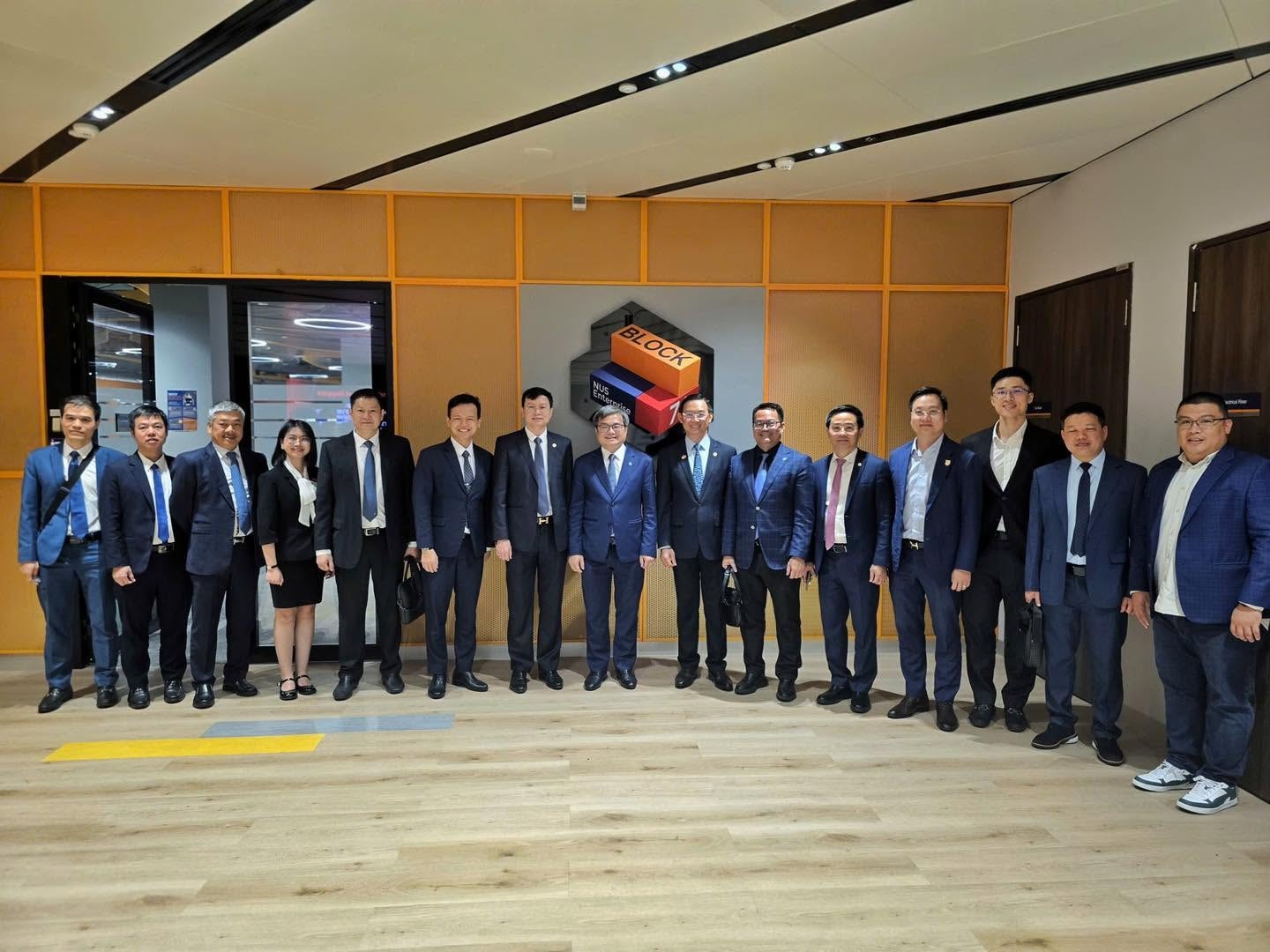 A delegation from Hanoi, led by Vice Chairman of the Hanoi People’s Committee Truong Viet Dung, will visit and work in Singapore in March 2026. (Photo: PV)
You may also like
Notably, Hanoi is strengthening its connections with the network of Vietnamese experts and entrepreneurs in Silicon Valley. Instead of just attracting experts to work directly, the city is aiming for mentoring mechanisms, investment connections, and support for the innovative startup ecosystem.
To ensure the effective implementation of cooperation commitments, the city has established a specialized task force headed by the Vice Chairman of the City People’s Committee to maintain regular contact with international partners.
Besides expanding cooperation with the United States and Singapore, Hanoi continues to promote cooperation with Japan, China, and many other partners. The city also identifies the Hoa Lac High-Tech Park as a strategic location to attract leading global semiconductor companies to invest in research, design, and testing of semiconductor chips.
Although there are still limitations in human resources specializing in science, technology, innovation, and digital transformation, especially at the grassroots level, recent steps show that Hanoi is choosing a long-term approach: creating mechanisms to attract talent while expanding cooperation with leading technology and innovation centers worldwide. This is considered an important foundation for the capital city to prepare resources for strategic technology sectors in the coming years.
Source: https://hanoimoi.vn/ha-noi-dat-nen-mong-nhan-luc-cho-cac-nganh-cong-nghe-chien-luoc-1159678.html